
-
Technical
With the UK’s commitment to reduce fossil fuels usage and CO2 emissions, heat pumps provide a viable alternative to current heating methods, however
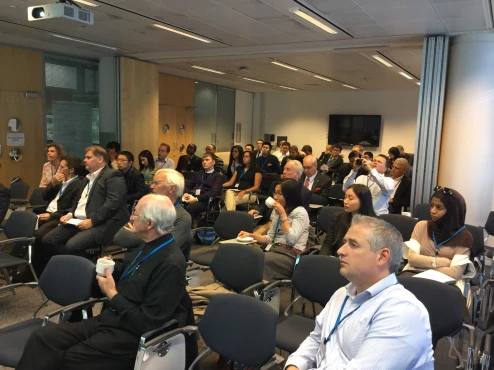 uptake remains low. The IOR is organising a Midlands Regional Meeting and TechTalk on 4 April discussing the reasons why homes and businesses have so far been reluctant to switch to heat pumps. Little has yet been achieved to reduce UK CO2 emissions associated with space heating in spite of the fact that it accounts for 18% of emissions. Part of the solution is to use electrically driven heat pumps, and various UK carbon reduction plans have set ambitious targets for heat pumps to replace central heating boilers in both new-build and retrofit situations. However even in off-gas-grid areas where heat pumps compete better with oil fuel or direct electric heating, take-up is still very low. The presentation will provide insights as to why heat pumps still remain unattractive and will explore technical and marketing solutions to incite more UK households to install heat pumps.
A networking event will take place prior to the presentation allowing participants to catch up with IOR Executive Committee, the Women in RACHP Group and other RACHP professionals working in the local area.
A webinar will be available for anyone unable to attend in person. Register here to secure your place.
For more information and bookings, visit the event's dedicated page.
Recent posts

About the IOR
23 Apr 2026
The Institute of Refrigeration is the professional engineering body for all individuals working in RACHP. Find out more about the IOR here.
News
What we do
23 Apr 2026
Find out what the IOR can do for you: technical queries, safety codes of practice, new technologies and professional development.
News
Join us
23 Apr 2026
When you become a member of the Institute of Refrigeration you are joining a group of specialist experts driving the sector forward.
News
WiRACHP Celebrates National Heat Pump Week
12 Oct 2026
To mark the start of National Heat Pump Week, the IOR Women in RACHP Network welcomed Charlotte Lee, Chief Executive of the Heat Pump Association (HPA UK), on its podcast.
Recording
Do You Know An Outstanding RACHP Technician Or Engineer?
8 Oct 2026
Nominations are now open for the IOR RACHP Engineering Technician Lifetime Achievement Award, celebrating the dedicated technicians and engineers who are the backbone of our industry.
NewsSitemap